
Editor's Note Nearly half of hospital executives report that their hospitals are not fully prepared to cope with patient volumes, Becker’s Hospital Review reported June 13. Citing the June 12 Hospital Operations Outlook Survey from FTI Consulting, Becker’s reports that nursing and mental and behavior health specialists represent the greatest…

For me, the answer is easy. For 25 years I have consistently said, “I’ve never nursed an OR a day in my life; it’s always been the patients.” As perioperative nurses, what we do is about more than where we work. Why is it that 25 years after the Association…

Reforming instrument reprocessing practices does not always end with the main sterile processing department (SPD). Holding clinics to the same standard adds to the challenge, whether they are associated with hospitals or operate independently. Nonetheless, standardization is just as essential to maintaining efficiency and quality standards. Establishing and maintaining best…

Complex problems do not always require complex solutions. Consider the surgical safety checklist. In 2020, more than a decade after the World Health Organization (WHO) started advocating that every hospital use the checklist, research from PSNET found that more than 90% of ORs in countries with a high human development…
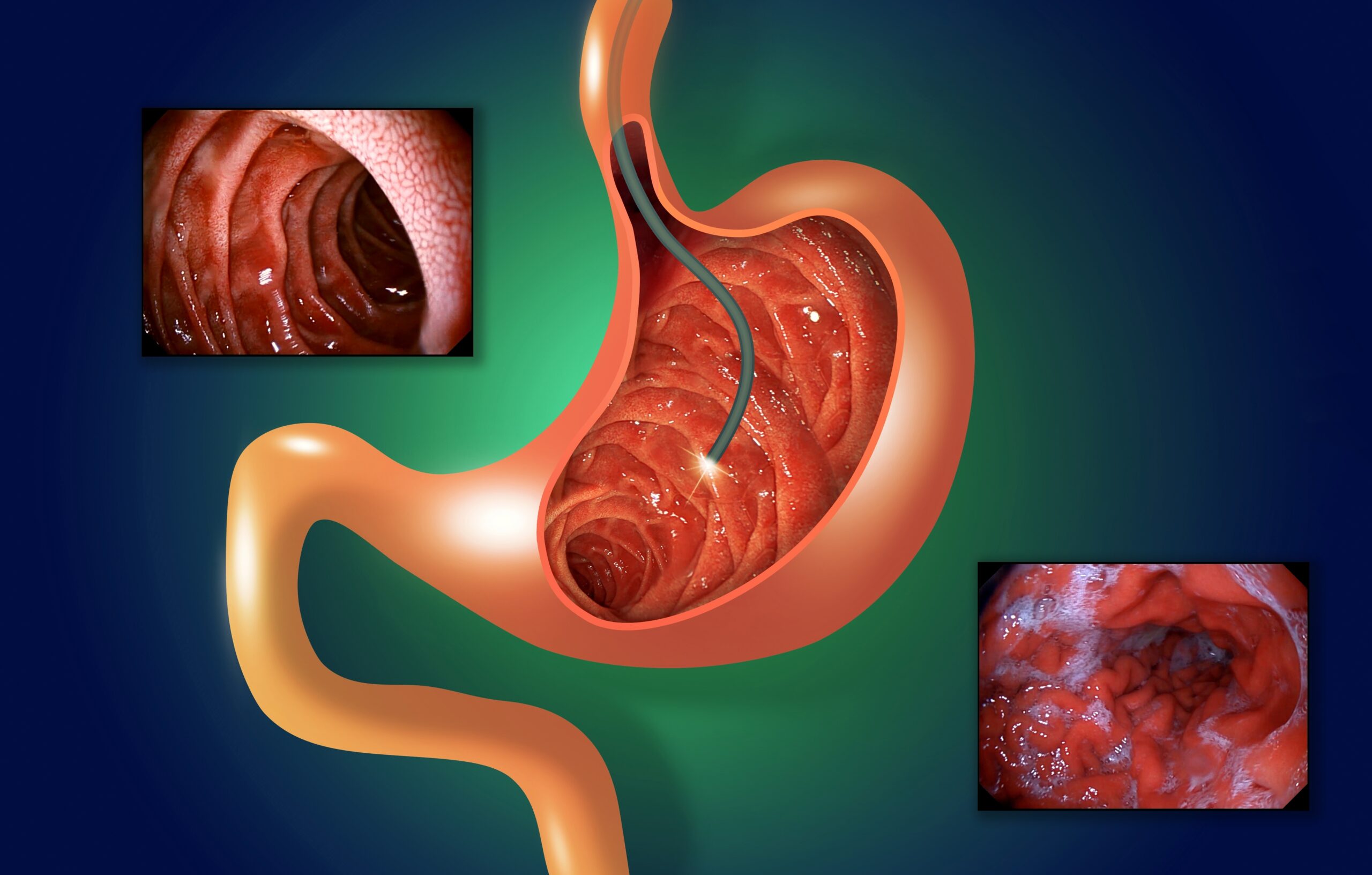
Gastrointestinal (GI) endoscopy is one of the most common procedures in the US. Performed more than 17.1 million times per year in inpatient and outpatient hospital settings as well as ambulatory surgery centers (ASCs), GI procedures account for 68% of all endoscopies, according to a May 2022 article in Digestive…
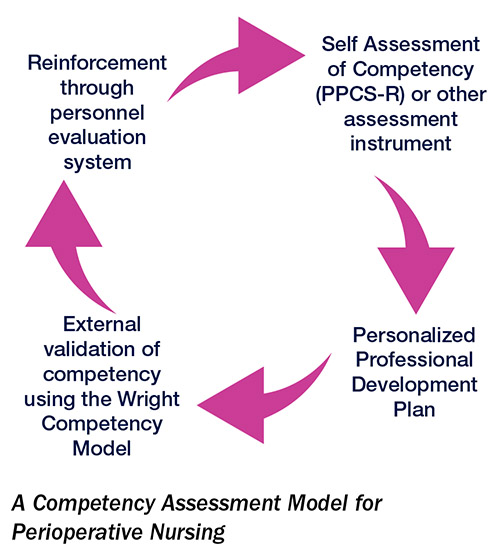
Competency assessment in perioperative nursing—and American healthcare in general—is a story of unrealized potential. Particularly in the wake of the pandemic, staffing shortfalls and financial pressures have made focusing on staff development difficult for nurse leaders. Nonetheless, the argument for investing more in professional development and competency has never been…

Editor's Note Surgeons are more likely to be reported for unprofessional behavior than any other category of physician, and pediatric specialists are least likely, according to a study published June 6 in Jama Network Open. Based on data from the Center for Patient and Professional Advocacy's Coworker Observation Reporting System…

Editor's Note Substituting lower-wage staff for registered nurses leads to additional patient deaths, the Washington Post reported on June 15. The article focuses on a study published in the journal Medical Care, noting that the new research coincides with a nationwide shortage of RNs and “reports of widespread burnout.” Researchers…

Editor's Note Surgeons and surgical trainees who are female or from minority racial or ethnic backgrounds report higher levels of negative emotions and self-doubt after adverse events, according to a recent study in JAMA Network Open. According to a June 5 report in MedPage Today, the single-site, mixed-methods study found…

Editor's Note Coworker and employer support strongly influence nurses' intentions to remain in their jobs, while symptoms of depression are associated with nurses planning to leave, according to a study conducted during the COVID-19 pandemic by researchers at NYU Rory Meyers College of Nursing. Available to the public September 30…


