
 OR Business
Surgery center consolidation on the rise
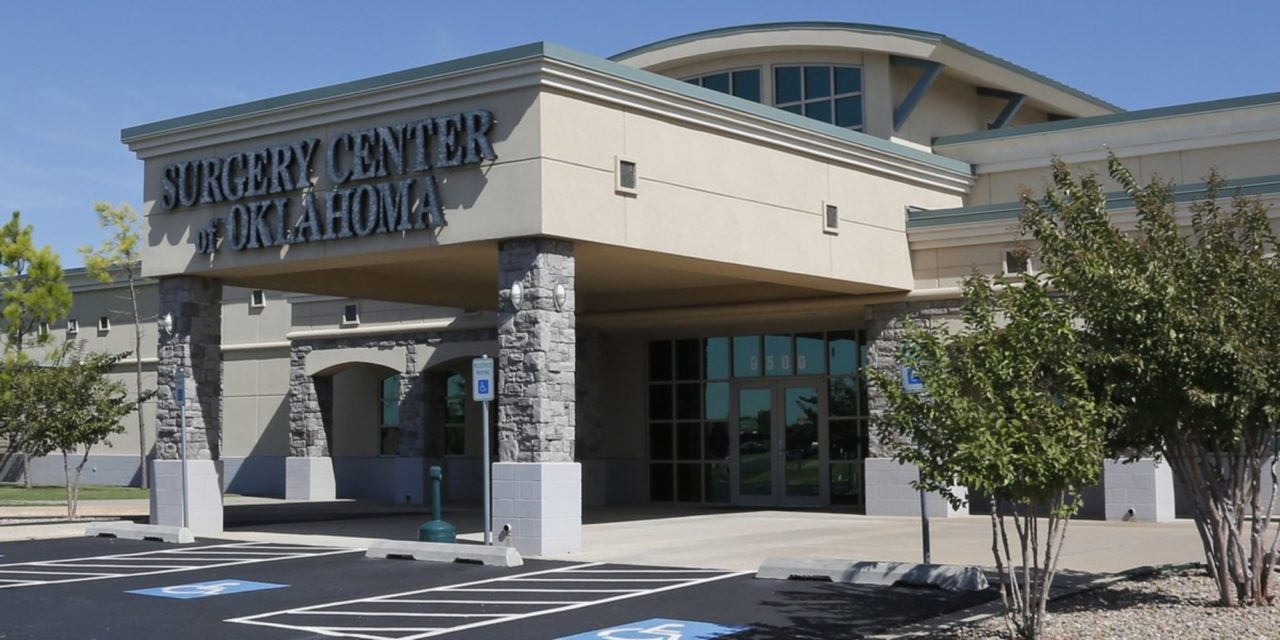
Editor's Note A March 23 report by Axios finds “massive consolidation among ambulatory surgery centers” (ASCs), and more is expected because about half of some 5,500 ASCs are not owned by chains. ASCs are becoming a target for acquisition because they are high-profit organizations. Recent financial reports show: Envision Healthcare (260…
Analysis predicts hip replacement implant market at $9.1B by 2024
Editor's Note A Transparency Market Research analysis predicts the global market for hip replacement implants will reach $9.1 billion by 2024, with a 3.9% compound annual growth rate, the March 17 Becker’s Spine Review reports. Fueling the growth are an expanding geriatric population, an increasing incidence of osteoarthritis, and technological…
Association between surgeon scorecard and OR costs
Editor's Note Providing surgeons with individualized cost feedback and surgical supply costs was associated with significantly reduced surgical supply costs, without negatively affecting patient outcomes in this study. The study involved 63 surgeons in an intervention group and 186 surgeons in a control group. Surgeons in the intervention group received…
Adding new business to the ASC, one procedure at a time—Part 3
Total joint procedures are gradually moving to ambulatory surgery centers (ASCs) as technology, medical expertise, and cost pressures combine to make the ASC an increasingly attractive alternative to an acute care hospital. The key to success for these and other complex procedures, experts say, is a combination of careful planning,…
Effect of opt-out policy for physician supervision of anesthesia

Editor's Note Opting out of the Medicare rule that requires anesthesia to be administered with physician supervision has little or no effect on access to inpatient or outpatient surgery, this study finds. The researchers also found that opting out does not reduce costs, and in fact increases costs for inpatient…
Healthgrades releases 2017 top hospitals list

Editor's Note Healthgrades (Denver) on February 24 released its list of America’s 50 and 100 Best Hospitals for 2017. The top 50 represent 1% of all hospitals and are located in 22 states. California has the most at 10, followed by Illinois with 7. The top 100 hospitals are those…
Radial artery access, same-day discharge reduce PCI costs
Editor's Note In this study, hospitals reduced costs associated with percutaneous coronary interventions (PCIs) when cardiologists performed the procedures through the radial artery and discharged patients on the same day. The analysis of 280,000 Medicare patients found that an average cost of $13,389 for the radial artery approach with same-day…
ECRI Institute releases free mergers and acquisitions infographic
Editor's Note ECRI Institute (Plymouth Meeting, Pennsylvania) on February 21 released a free mergers and acquisitions infographic. The infographic is intended to help hospitals and health systems who have completed a merger or acquisition to identify supply-item savings and opportunities and develop a consolidated medical equipment strategy. Registration required. You…
Conference takes OR business leaders to the next level
More than 400 surgical services directors, business managers, and thought leaders gathered in New Orleans in early February for the 2017 OR Business Management Conference. They came to explore new technology, learn from experts in the field, and network with their peers. They left with a wealth of ideas on…
Adding new business to the ASC, one procedure at a time—Part 2
Aging and active Americans are refusing to let back problems slow them down—the number of these patients is increasing, and they prefer the less invasive outpatient methods offered in ambulatory surgery centers (ASCs). So do their physicians. As a result, ASCs seeking to adopt new procedures are looking more closely…
 Free Daily News
- Analytics firm shares data and insight about shrinkage of inpatient-only list
- Duluth, Minn., legislators call on hospitals to “establish protections” for patients and staff against ICE
- City shuts off Georgia hospital’s water supply due to unpaid bills
- Indiana Hospital Association warns of members’ mounting financial difficulties, calls for legislative action
- Toronto clinic looks to prevent delirium in high-risk patients
- OBL-centered perspective on the 2026 ASC Final Payment Rule
- ASCA's Kara Newbury breaks down 2026 CMS Final Rule, discusses 2027 initiatives
- Analysis: Hospital credit rating activity ‘moderates’ in 2025
- Survey finds use of unauthorized ‘shadow AI’ tools running rampant in health care
- Stay Connected: Important Updates to Our Emails