
 OR Business
CMS releases FY 2018 inpatient PPS final rule
Editor's Note The Centers for Medicare and Medicaid Services (CMS) on August 2 issued the FY 2018 Medicare Inpatient Prospective Payment System final rule, which updates Medicare payment and policies when patients are discharged from hospitals. The rule increases rates by 1.2%. This includes an initial market-basket update of 2.7%…
AHRQ: Cost trends for inpatient stays
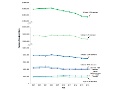
Editor's Note From 2005 to 2014, the average inflation-adjusted cost of a hospital inpatient stay increased by 12.7%, from $9,500 to $10,900, according to new statistics from the Agency for Healthcare Research and Quality (AHRQ). Average costs for stays increased: 16% for Medicaid 18% for private insurance 8% for Medicare…
ECRI Institute announces new white paper on value analysis

Editor's Note The ECRI Institute on July 31 announced a new free white paper titled, “Value Analysis: Best Practices for Navigating the Evidence Maze. The white paper features three case studies that show how hospital value analysis committees can use the PICOTS (patients, intervention, comparators, outcomes, time frame for follow-up,…
Hybrid OR experts plus exhibit equal exceptional education
Each year, the OR Manager Conference showcases the latest hybrid OR technology along with expert advice from clinicians and manufacturers. The 2017 conference (October 2-4 in Orlando, Florida) will feature an extensive exhibit and opportunities to interact with the Hybrid OR Steering Committee members (sidebar, p 15): • Monday, 2…
Editorial
The inaugural Bundled Payment Bootcamp on June 20 in Nashville, Tennessee, was a timely opportunity for healthcare providers to learn how reimbursement is changing the way they do business. Though the uncertain direction of US healthcare legislation continues to cause consternation, this workshop—which will be presented again in fall 2017—clarifies…
Do Medicare's latest code changes help or hurt ASCs?
Medicare is increasing approval of higher-acuity procedures performed in the ambulatory surgery center (ASC) setting, creating meaningful opportunities for ASCs. At the same time, however, a number of outpatient procedure codes have been deleted, reduced, or are packaged and considered all-inclusive in a case, without additional payment. “Key changes occurred…
FDA updates Class II medical devices exempt from premarket notification
Editor's Note The Food and Drug Administration (FDA) on July 11 announced a list of 1,003 Class II devices that the Agency says no longer require premarket notification to provide reasonable assurance of safety and effectiveness. The exemptions were made in an effort to decrease regulatory burdens on the medical…
Survey finds compensation key to physician retention

Editor's Note In the annual Physician Practice Preference & Relocation Survey from The Medicus Firm, nearly 3 in 10 physicians say concerns about appropriate compensation is the primary reason they would consider a career change, the July 5 FierceHealthcare reports. More than 17% of respondents say they will “likely” or…
Outcomes, costs associated with appendectomy in safety-net hospitals
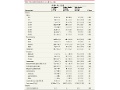
Editor's Note Safety-net hospitals treat a disproportionate number of patients with advanced appendicitis and use laparoscopy less often, but their rates of morbidity and costs are similar to other hospitals, this study finds. In this analysis of 349 nonfederally funded hospitals in California performing 274,405 appendectomies, safety-net (compared with non-safety-net)…
Report predicts growth of spinal implant market

Editor's Note A Market Research Future report predicts the global market for spinal implants will reach $14 billion by 2011 because of an increasing prevalence of spinal injuries and disorders and an aging population, according to the July 5 Becker’s Spine Review. The costliness of spinal implants and unfavorable reimbursement…
 Free Daily News
- Duluth, Minn., legislators call on hospitals to “establish protections” for patients and staff against ICE
- City shuts off Georgia hospital’s water supply due to unpaid bills
- Indiana Hospital Association warns of members’ mounting financial difficulties, calls for legislative action
- Toronto clinic looks to prevent delirium in high-risk patients
- OBL-centered perspective on the 2026 ASC Final Payment Rule
- ASCA's Kara Newbury breaks down 2026 CMS Final Rule, discusses 2027 initiatives
- Analysis: Hospital credit rating activity ‘moderates’ in 2025
- Survey finds use of unauthorized ‘shadow AI’ tools running rampant in health care
- Stay Connected: Important Updates to Our Emails
- Inside three rural hospitals in crisis