
 OR Business
ECRI Institute releases free white paper on value analysis

Editor's Note The ECRI Institute on August 23 announced a new free white paper, “Value Analysis: Best Practices for Navigating the Evidence Maze,” to help value analysis committees bring an objective, systematic approach to the decision-making process for health technologies and interventions. The white paper includes three case studies that…
Ransomware attacks: How to protect your medical device systems
Ransomware is a form of computer malware used to make data, software, and information technology (IT) assets unavailable to users. It uses encryption of data to hold systems hostage with an associated ransom demand, often in Bitcoin (a virtual currency that is difficult to trace). This encryption is used to…
More than 800 ICD-10 code changes coming

Editor's Note ChartLogic (Salt Lake City) is reporting that as of August 9, 2017, a total of 419 ICD-10 codes were added, 273 codes were revised, and 123 codes were being deleted, according to the August 15 Becker’s Hospital CFO Report. The changes are slated for implementation on October 1,…
CMS proposes canceling two bundled payment models, scaling back a third
Editor's Note The Centers for Medicare & Medicaid Services (CMS) on August 15 announced a proposed rule that would cancel two bundled-payment models and reduce the number of providers required to participate in a third. The proposed rule would cancel the Episode Payment Models and the Cardiac Rehabilitation incentive payment…
Survey: Half of practices spend $40K per physician to comply with federal regs

Editor's Note A new Medical Group Management Association survey of 750 physician group practices finds that nearly half spend more than $40,000 per physician each year to comply with federal regulations, the August 10 FierceHealthcare reports. Respondents say the most burdensome regulation is Medicare’s new Merit-Based Incentive Payment System (MIPS)…
Report predicts big growth for hybrid OR market

Editor's Note A research report by Marketsandmarkets predicts the global hybrid OR market will reach nearly $1.2 billion by 2022, at a 12.5% annualized growth rate, according to the August 14 HealthCareBusiness daily news. The specialty with the highest growth rate will be thoracic surgery. The biggest driver of hybrid…
Hospitals partnering with ASCs to perform outpatient total joints

Editor's Note With the growth of ambulatory surgeries and the shift to Medicare reimbursement for outpatient hip and knee replacements, hospitals are acquiring and forming joint ventures with ambulatory surgery centers (ASCs), the August 5 Modern Healthcare reports. This allows hospitals to keep part of the revenue and better aligns…
Obese cardiac surgery patients use more ICU resources
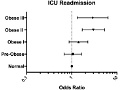
Editor's Note After cardiac surgery, obese patients required significantly more ICU resources and longer recovery times, resulting in more expensive, labor-intensive care, this study finds. Of 5,365 patients included in the analysis, 1,948 were classified as obese. Patients with greater obesity were: four times more likely to have longer time…
Medicare ‘meaningful use’ data to be submitted via QualityNet

Editor's Note The Centers for Medicare & Medicaid Services (CMS) announced August 7 that hospitals and critical access hospitals participating in Medicare’s Electronic Health Record (EHR) Incentive Program will submit their “meaningful use” data via QualityNet rather than the EHR Incentive Program Registration and Attestation System beginning January 2, 2018,…
Mayo Clinic tops US News Honor Roll of Best Hospitals

Editor's Note The Mayo Clinic, Rochester, Minnesota, was ranked the nation’s top hospital by US News & World Report in its 2017-2018 Honor Roll of Best Hospitals. The Honor Roll consists of 20 hospitals with the highest combined overall scores in 16 medical-surgical specialties. Cleveland Clinic was second, Johns Hopkins…
 Free Daily News
- City shuts off Georgia hospital’s water supply due to unpaid bills
- Indiana Hospital Association warns of members’ mounting financial difficulties, calls for legislative action
- Toronto clinic looks to prevent delirium in high-risk patients
- OBL-centered perspective on the 2026 ASC Final Payment Rule
- ASCA's Kara Newbury breaks down 2026 CMS Final Rule, discusses 2027 initiatives
- Analysis: Hospital credit rating activity ‘moderates’ in 2025
- Survey finds use of unauthorized ‘shadow AI’ tools running rampant in health care
- Stay Connected: Important Updates to Our Emails
- Inside three rural hospitals in crisis
- Navajo Nation’s Sage Memorial Hospital performs first surgery in 20 years