
 New OR Managers
Imposter syndrome widespread among surgical trainees, disproportionately affects women

Editor's Note Nearly three-quarters of orthopedic surgery residents experience significant or intense imposter syndrome, with female trainees facing markedly higher risk, according to a study published April 7 in the Journal of Bone and Joint Surgery Open Access. As detailed in the study, researchers surveyed 100 residents across seven US…
Global nursing workforce grows but inequities jeopardize health progress

Editor's Note The global nursing workforce has expanded to 29.8 million, up from 27.9 million in 2018, but stark disparities in nurse distribution threaten progress toward universal health coverage and global health security, according to a May 12 World Health Organization (WHO) news release announcing the State of the World’s…
Mind the gap: Why Medicare pays ASCs less than HOPDs—and what that means

For decades, ambulatory surgery centers (ASCs) have shown their ability to deliver high-quality surgical care at substantially lower cost than hospital outpatient departments (HOPDs). ASCs achieve these savings through leaner operations, streamlined staffing models, and specialty-focused efficiencies, not by compromising safety or outcomes. Studies consistently highlight procedures performed in ASCs…
OR Business Management Summit chair outlines data-driven strategies for financial, operational success

Although hospital performance from January to April 2025 outpaced the first 4 months of 2024, according to Kaufman Hall’s June 2025 “National Hospital Flash Report,” many surgical departments remain under intense financial pressure. Labor and supply costs continue to rise, while surgical services are especially vulnerable to inefficiencies like labor…
Perioperative medication decisions need individualized risk-benefit approach

Editor's Note Medication management in the perioperative period is often made without robust evidence, requiring clinicians to balance surgical safety with the risks of interrupting treatment, according to expert guidance presented at the annual Perioperative Medicine Summit. Paul Grant, MD, of the University of Michigan Medical School, noted most medications…
ASC drill success hinges on preparation, adaptability, clear roles

Editor's Note Running effective emergency drills in ambulatory surgery centers (ASCs) requires strategic resource use, role clarity, and consistent adaptation, Texas Ambulatory Surgery Center Society July 8 reports. Drawing on insights from Laura Schneider, senior clinical director at AMSURG, the piece outlines practical steps to ensure ASCs can respond effectively…
Translating MIPS Value Pathways into perioperative practice—What OR leaders need to know
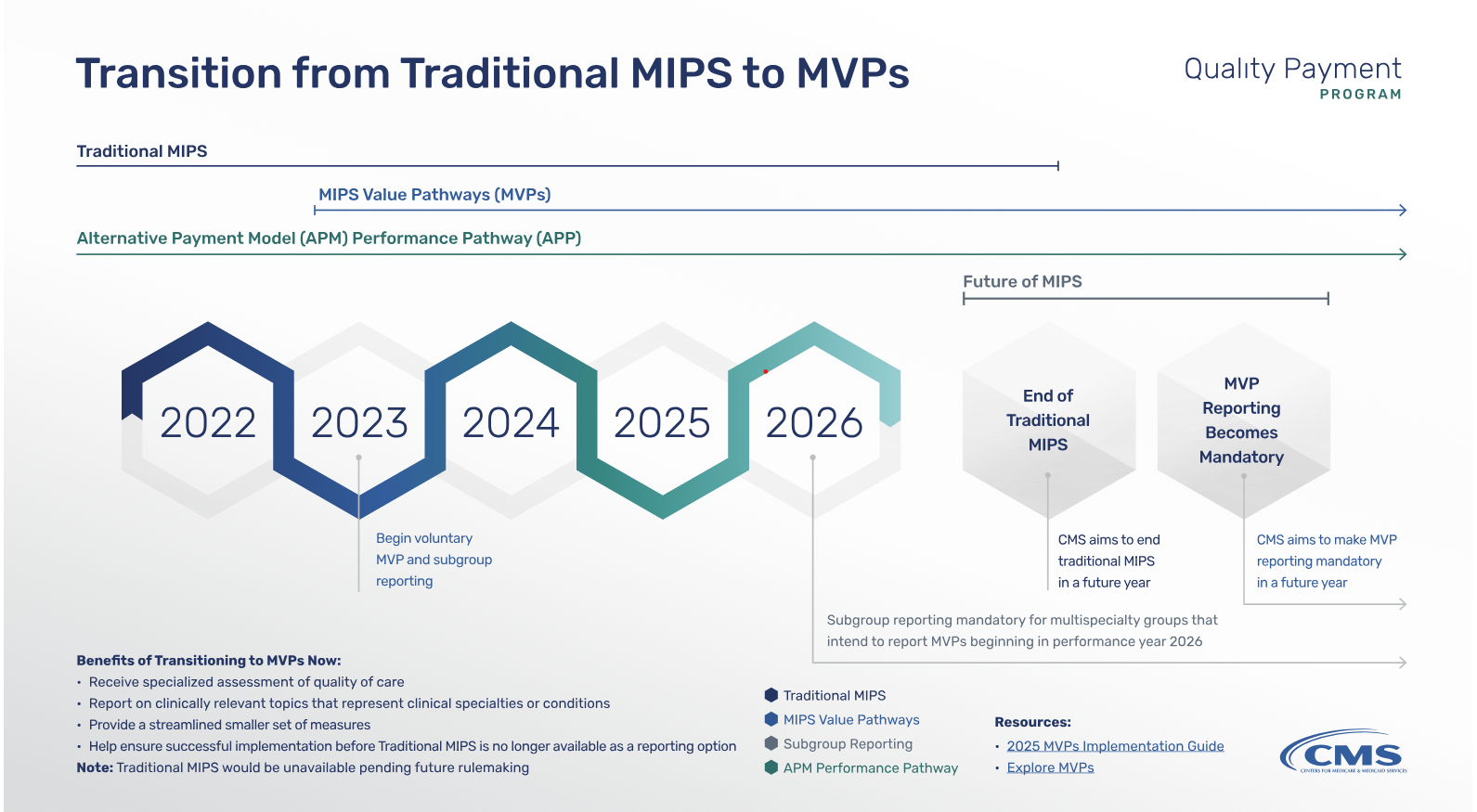
In July 2025, the Centers for Medicare & Medicaid Services (CMS) proposed sweeping changes to the Medicare Physician Fee Schedule for calendar year 2026. Among the most impactful updates is the launch of the Ambulatory Specialty Model (ASM)—a mandatory value-based payment program focused on heart failure and low back pain.…
5 reasons why ASC leaders deserve to be at the 2025 OR Manager Conference

Running an ambulatory surgery center (ASC) is not for the faint of heart. ASC leaders are navigating tight margins, stricter-than-ever quality reporting, lean staffing resources, payer squeeze, and a relentless push to be profitable without proper support. And yet, the ASC market is booming. The number of Medicare-certified ASCs has…
July poll results: Perioperative leaders are tackling labor costs, staffing flexibility

Perioperative leaders often have to make critical decisions, not just in the middle of an operational crisis but also somewhere in the edges—the routine but still high-stakes moments where leaders need to adjust resources or absorb costs under tight constraints. The economic margin for error continues to narrow, and many…
Key tactics for OR emergency readiness: Supply audits, team drills

Editor’s Note: This page is a companion piece to the main article, Emergency preparedness: Identifying essential supplies for unplanned surgical events. While the main article outlines the principles of emergency readiness and supply preparation in the OR, the posts below offer a closer look at two key implementation areas: Supply…
 Free Daily News
- Jupiter Medical Center, Hospital for Special Surgery team on orthopedic care in South Florida
- Press Ganey announces 2025 Human Experience Award recipients
- Group of experts petition WHO to advocate for universal respirator use in health care
- Duke study links stress to poorer surgical recovery outcomes for older adults
- NAPA expands Bon Secours anesthesia relationship via Mary Immaculate Hospital deal
- BayCare previews new children's hospital to open in 2030
- Accreditation 360: Adjustments and opportunities
- CMS Rural Health Transformation funding announced for all 50 states
- Duke Health updates visitor guidelines due to respiratory illness spread
- Tri-City Cardiology ASC surpasses 6,000 procedures