 Your People and Teams
Amid rising demand for surgical procedures, improving perioperative operations is a pressing priority for any hospital. For a system serving one of the fastest-growing counties in the US, it becomes an operational imperative. This is the case for WakeMed Health & Hospitals (WakeMed). With ORs spread across multiple facilities in…

Takeaways • Documentation and coding procedures are rife with opportunity for cost savings. • Passed in 2022, the No Surprises Act is designed to protect insured patients from surprise billing for emergency services from out-of-network providers. However, the result has been nearly 40% cuts in reimbursements to anesthesiologists. • OR…
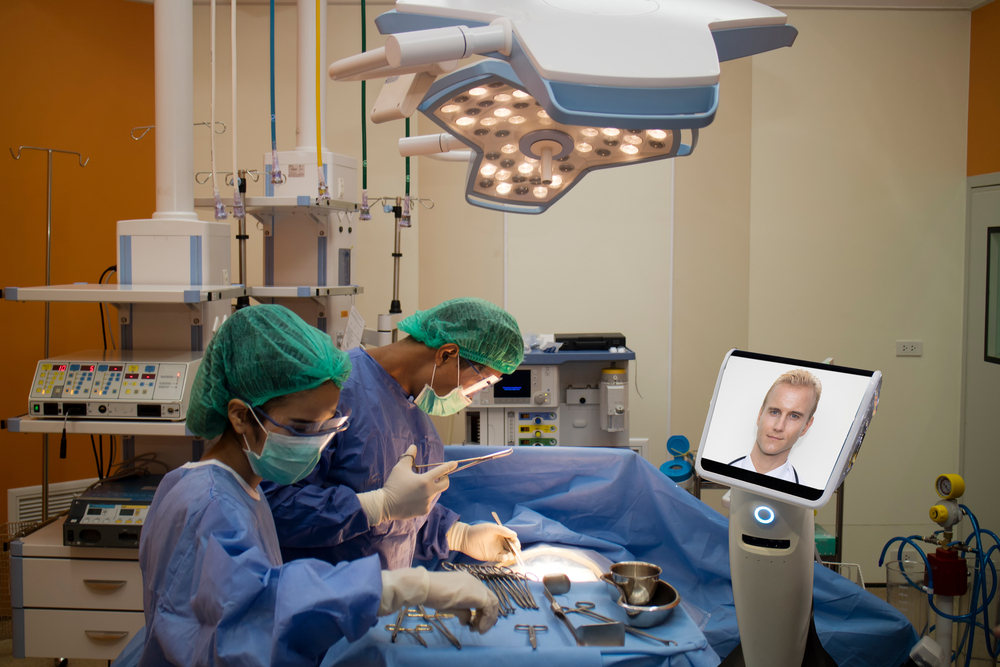
Eliminating physical distance as a barrier to communication makes it easier for caretakers to help not only their patients, but also one another. This is the promise of virtual care technology, which offers system-wide potential for providers facing growing demand for high-quality, cost-effective care. For perioperative leaders specifically, advantages of…

When a speaker at a recent conference asked if anyone had achieved a first-case on-time start (FCOTS) rate above 90%, Jay Parker, BSN, RN, could have been the only one in the room with his hand up. However, Parker was not inclined to call attention to himself. As director of…
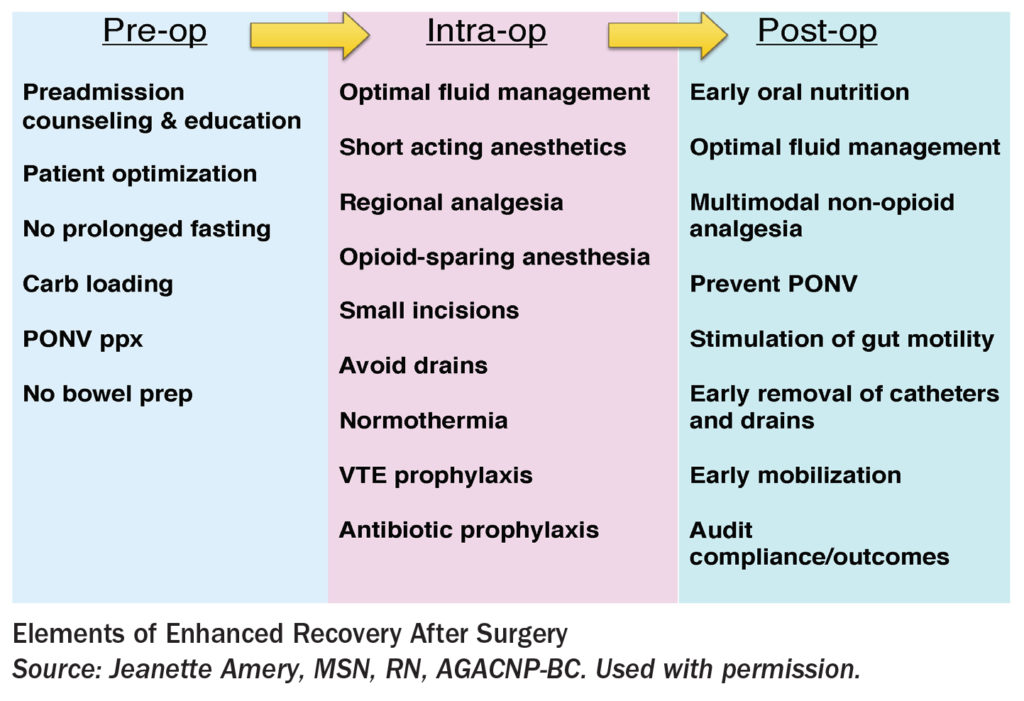
Enhanced Recovery After Surgery (ERAS) represents a transformative approach in modern surgical care, emphasizing evidence-based, multidisciplinary protocols to optimize patient recovery. Spanning decades, ERAS has grown from a novel concept into a global standard for perioperative care, with benefits that include shorter hospital stays, fewer complications, and reduced healthcare costs.…

During Perioperative Nurses Week this November 10-16, we encourage you to recognize the invaluable contributions of your perioperative nurses and nurse leaders. Their specialized clinical skills and knowledge protect your patients from adverse outcomes–and safeguard one of the most important revenue drivers for your health system. As you know too…

Many are quick to blame travelers for the poor state of hospital finances. However, isn’t there a difference between a traveler in the OR—an interim staff member in the hospital’s profit center—and an interim RN in an area financially supported by OR profits? What about the argument that travelers can…

For many healthcare facilities, operational costs are steadily rising, and no clearcut solution is in sight. However, some hospital systems are gradually reclaiming control over their budgets by finding ways to stabilize their finances and improve workforce morale. During the pandemic, many hospitals turned to short-term contract labor as a…

Takeaways Providers are generally seeking to reduce use of travelers through strategies such as float pools, training programs, and cultural reforms. However, travelers remain useful as a bridge to permanent staff and for difficult-to-fill positions. Best practices for selection, onboarding, team integration, and performance evaluation are essential for maximizing return…

Editor’s Note: This page is a companion page to the main article, “Survey: Staffing woes ease slightly, but challenges remain.” The percentage of respondents with a business manager was 42%, up slightly from 37% last year and comparable to the 43% seen in 2022. Here are some key findings.…


