
Editor's Note Optimizing patient positioning can help reduce the risk of surgical site infections due to airborne contaminants in positive-pressure ORs, according to a study published August 12 in Nature: Scientific Reports. Maintaining higher pressure than adjacent spaces prevents entry of contaminants from environments external to the OR. For this…

Symptomatic SARS-COV-2 patients undergoing surgical procedures experience significantly higher 30-day in-hospital mortality, ICU admission, longer ICU and hospital stay, and pulmonary complications, according to a study published August 1 in the Journal of PeriAnesthesia Nursing. Researchers analyzed a year’s worth of records of 102 infected surgical patients and those who…

Takeaways Transmitting health metrics directly from a surgical implant reduces the need for in-person followup and offers more objective data on recovery than patient-reported measures. This technology’s potential extends beyond knees. Whatever the nature of the treatment, postop monitoring is critical. Patient education is essential for setting up the data…

Editor's Note Amid continued debate about the best choice of preoperative skin antiseptic, findings published in JAMA June 17 show that povidone iodine in alcohol offers similar outcomes to chlorhexidine gluconate when used in alcohol. The randomized clinical trial included 3,360 patients in 3 tertiary care hospitals in Switzerland, 2,187…

Editor's Note Higher doses of anesthesia did not affect risk of postoperative delirium in a study of more than 1,000 heart surgery patients, according to a June 10 United Press International (UPI) article on study findings published in JAMA. The research included 1,140 heart surgery patients, half of whom had…

Editor's Note Two new studies show robotic surgery outperforming laparoscopic approaches to metabolic and bariatric procedures in terms of operating times, length of hospital stay, and complication rates, according to a June 11 report in Medical Xpress. Both studies were presented at the American Society for Metabolic and Bariatric Surgery…
Editor's Note A study published May 7 in JAMA Open found no significant risk of periprosthetic joint infection (PJI) when colonoscopy is performed within one year of total joint arthroplasty (TJA), whether the colonoscopy was done before or after the surgery. However, certain comorbidities such as kidney and pulmonary disease,…
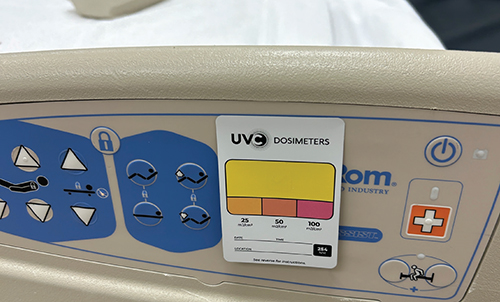
Approximately one in 31 hospital patients has at least one infection on any given day, according to the Centers for Disease Control and Prevention (CDC). In surgical settings, the risk is even higher, with up to 7% of patients developing an infection during surgery. These infections can lead to a…

Editor's Note New data show 10% of deaths from percutaneous coronary intervention (PCI), a common and minimally invasive procedure to unclog arteries, are preventable. The study appeared in PLOS ONE on March 27. PCI is one of the most common surgical procedures. More than 500,000 Americans undergo the procedure each…

Editor's Note Popular weight-loss drugs like Ozempic and Mounjaro could lead to complications in surgical procedures, according to study published March 6 in the journal JAMA Surgery. The study focused on drugs known as glucagon-like peptide-1 receptor agonists (GLP-1 RAs) which are used to treat diabetes and obesity. The drugs, which…


