For better or worse, negative perceptions and stories about artificial intelligence (AI) can become accepted truths among vast numbers of the general public. Reuters, one of the world’s most prominent and widely disseminated newsgathering services, spread some more bad vibes about AI with a massive report last week about perioperative…

A unique chain of ASCs in Portland, Ore., is taking the concept of artificial intelligence (AI) integration with surgery to a new level. Oath Surgical, which co-owns and operates two ASCs in The City of Roses with a third on the way, says it is “building the future of surgical…
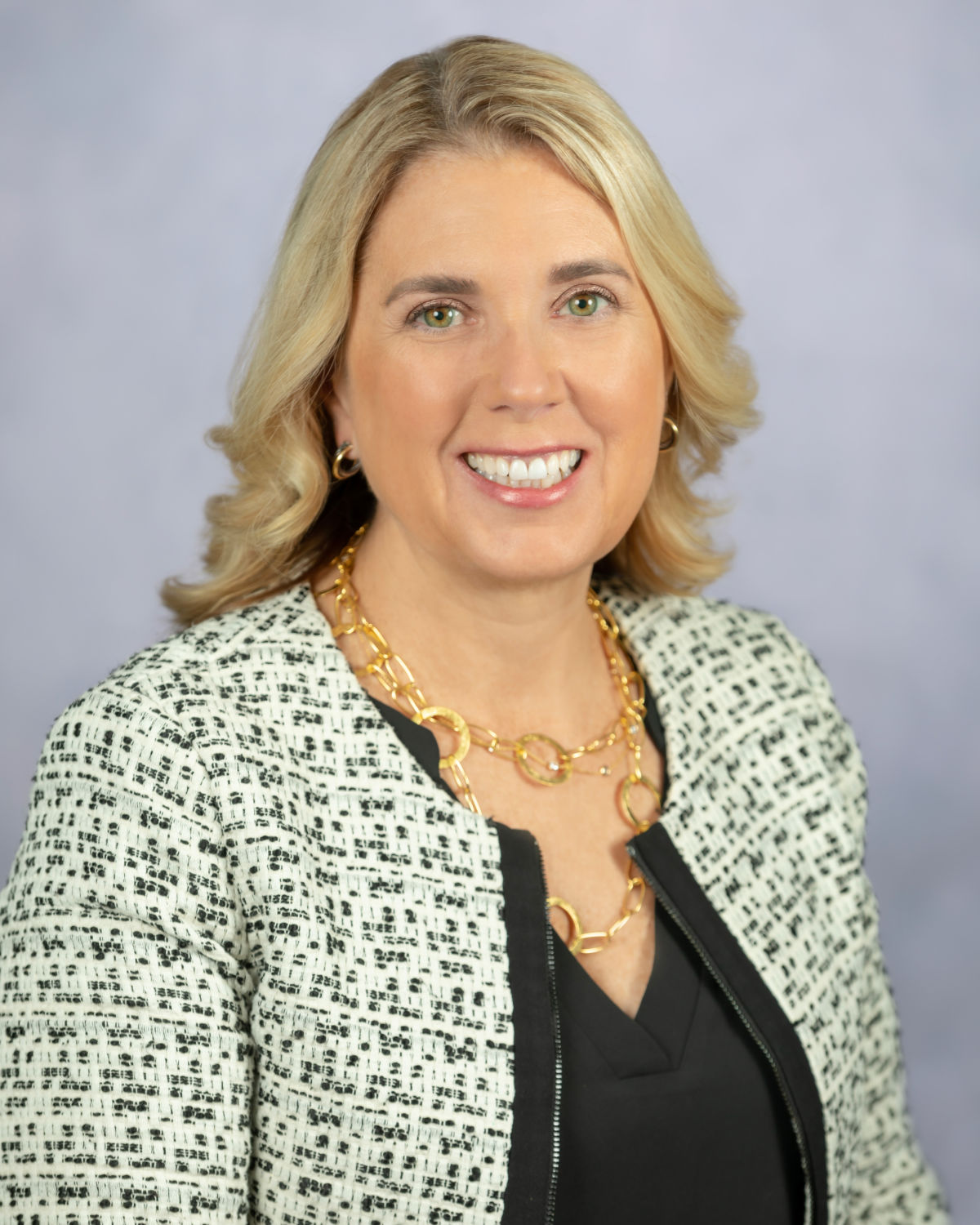
Operating rooms are among the most complex areas of health systems. Every day, perioperative teams are playing a complicated game of Tetris, but with much higher stakes. At Tampa General Hospital, we’re always asking what information we need to conquer some of this complexity so we can do better by…
A new survey of healthcare professionals and administrators found that unauthorized artificial intelligence (AI) tools and apps are in wide use across hospitals and health systems in the U.S., including for direct patient care. Wolters Kluwer Health, which conducted the survey, calls these unauthorized tools “shadow AI,” and says their…
A new article in ACS Bulletin, a publication from the American College of Surgeons (ACS), takes a deep dive into how the rapid adoption of artificial intelligence (AI) in healthcare settings is forcing the industry to “reimagine the future of surgery.” Dr. Lenworth Jacobs Jr., a professor of surgery at…

Many ASCs are reluctant to explore technological upgrades for various legitimate reasons -- limited financial resources, limited staffing resources, a belief in their current way of doing things. That widespread skepticism and reluctance can be even more pronounced with regard to implementing and using artificial intelligence (AI) technology in the…
At many ambulatory surgery centers (ASCs), “doing more with less” is an existential situation. Can artificial intelligence (AI) help alleviate the situation? That’s what Emily Spooner, president and owner of ASC consulting and management firm Marisa Consulting, will explore in her session “AI-powered insights to boost efficiency and margins in…
Editor's Note While artificial intelligence (AI) tools can inspire innovation and efficiency, they also pose safety risks, especially in a healthcare setting. Therefore, balancing centralization versus decentralization for AI oversight requires the right approach, according to research findings in a December 10 article in Harvard Business Review. The investigators sought…
Editor's Note Since equipping ORs with video cameras for computer-vision capability at AdventHealth Celebration in Florida, AI-driven data have provided a key resource for improving OR efficiency in several ways, according to an OR leader from the facility highlighted in a December 3 blog post from AORN Periop Life. One…
Editor's Note While artificial intelligence (AI) has moved rapidly into clinical application, decisions around setting rules and requirements for responsible AI use are evolving more slowly. This could pose challenges for hospitals where resources are already limited, especially for smaller hospitals. Without a unified system for evaluating AI products, hospitals…


