 Sterile Processing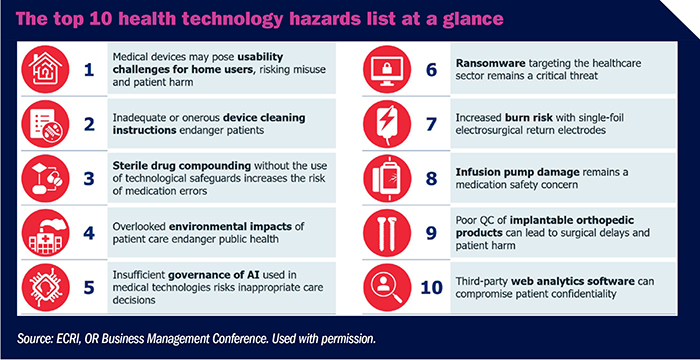
What is the purpose of the top 10 health technology hazards list, released every year by ECRI? “Our number one goal at ECRI is to reduce preventable harm,” stresses Jason Launders, MSC, former director of operations, device evaluation, at ECRI. “We know that every healthcare provider has a lot they…
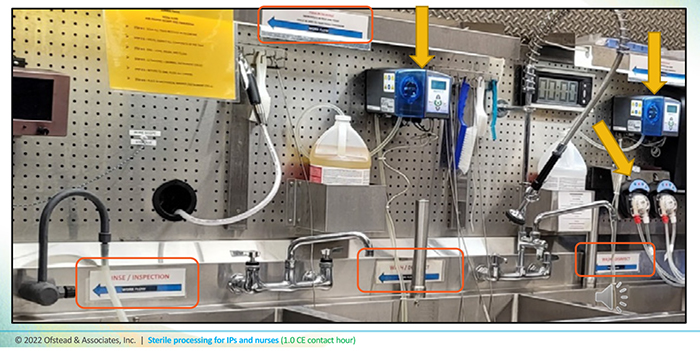
Sterile Processing Department (SPD) managers and technicians know a thing or two about pressure. In a recent webinar covering sterile processing basics, Cori L. Ofstead, MSPH, president and CEO of Ofstead & Associates, Inc, and Abby Smart, MPH, research associate, cited the example of a 480-bed hospital that performed 13,650…
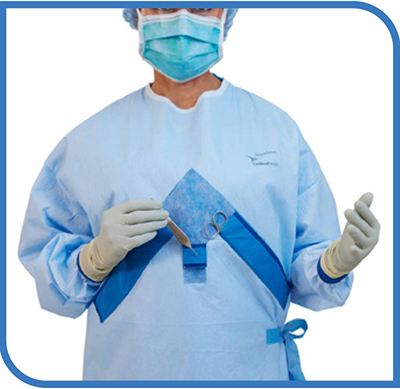
There is movement happening in the world of surgical gowns. It is driven in part by the COVID-19 pandemic, which brought new focus to the need for adequate stockpiles of personal protective equipment (PPE)—and for PPE that works as intended. Staff need to know their gowns incorporate the latest technology…
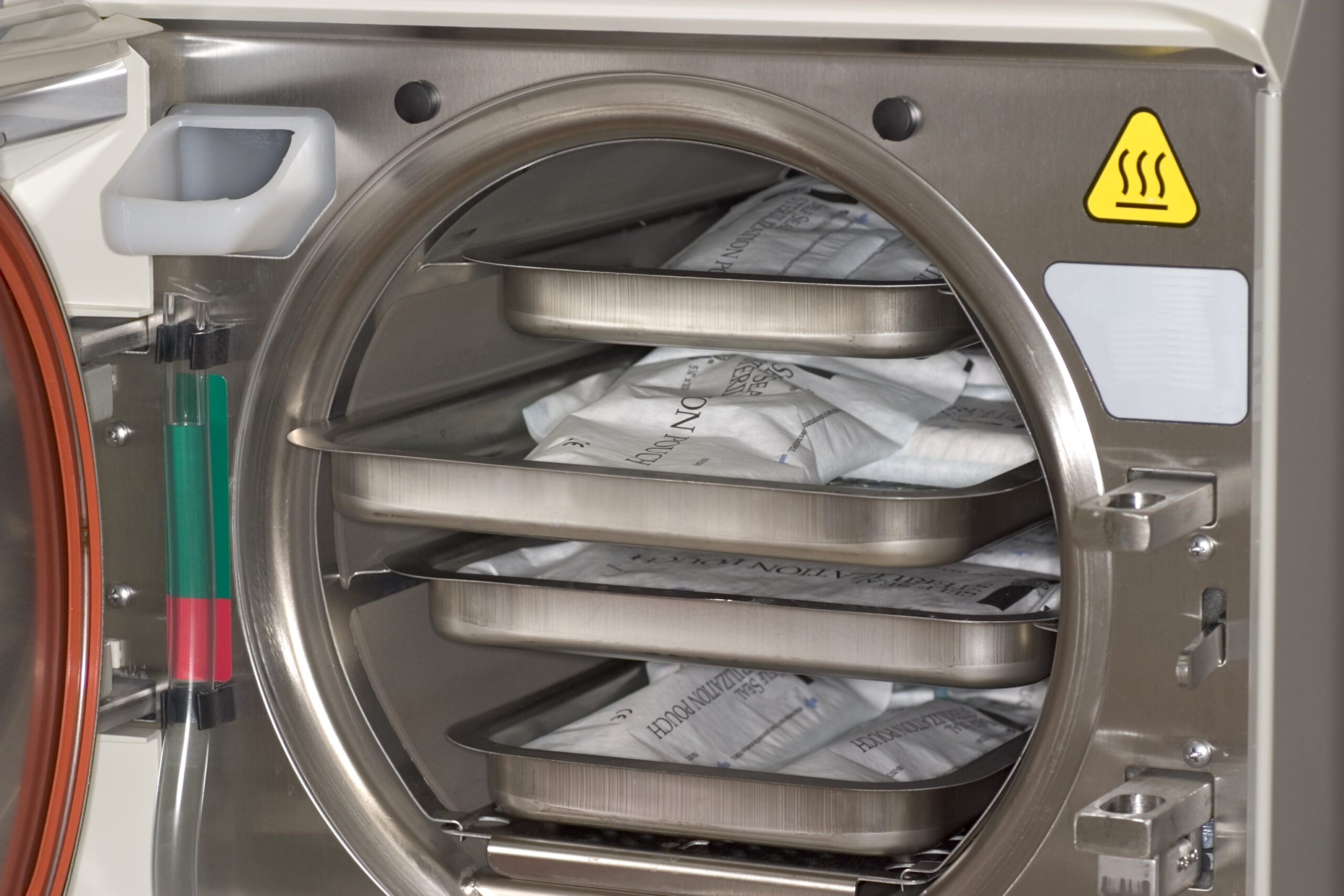
Immediate use steam sterilization (IUSS, a standard steam sterilization cycle with little to no dry time) is considered safe for patient care when the processes recommended in Association for the Advancement of Medical Instrumentation (AAMI) standards and AORN guidelines are followed. IUSS is a valuable option in an emergency. Lack…
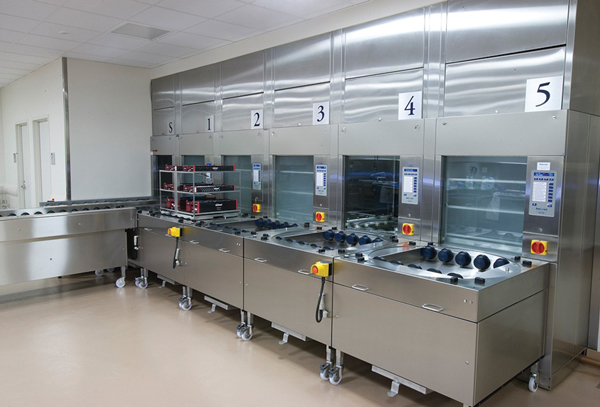
Takeaways • Failure to understand the complexity of the work performed in the sterile processing department (SPD) can lead to staff shortages, errors, and significant financial loss. • Strategies for addressing SPD staffing include effective orientation, certification, competency assessment, analyzing staffing needs, and leader visibility. • SPD schedules should reflect…

From highlighting the need for better preoperative nasal decolonialization to touting the success of personalized pediatric behavioral health interventions, the posters on display at the 2023 OR Manager Conference highlighted the exceptional work of clinicians in 2023. Poster: “Use of Alcohol-Based Nasal Antiseptic in Reducing Surgical Site Infections in Patients…
The healthcare sector has begun grappling with a repeat challenge this fall and winter: the simultaneous surge of three significant respiratory diseases—flu, respiratory syncytial virus (RSV), and COVID-19 among both children and adults. When these diseases collide, they constitute what experts have termed a “tripledemic,” which poses a significant strain…

Water is a major component of medical device processing. It is used in cleaning solutions, rinse water, and to generate steam for sterilization. Because of its crucial role in medical device processing, the Association for the Advancement of Medical Instrumentation (AAMI) determined it was necessary to upgrade the Technical Information…
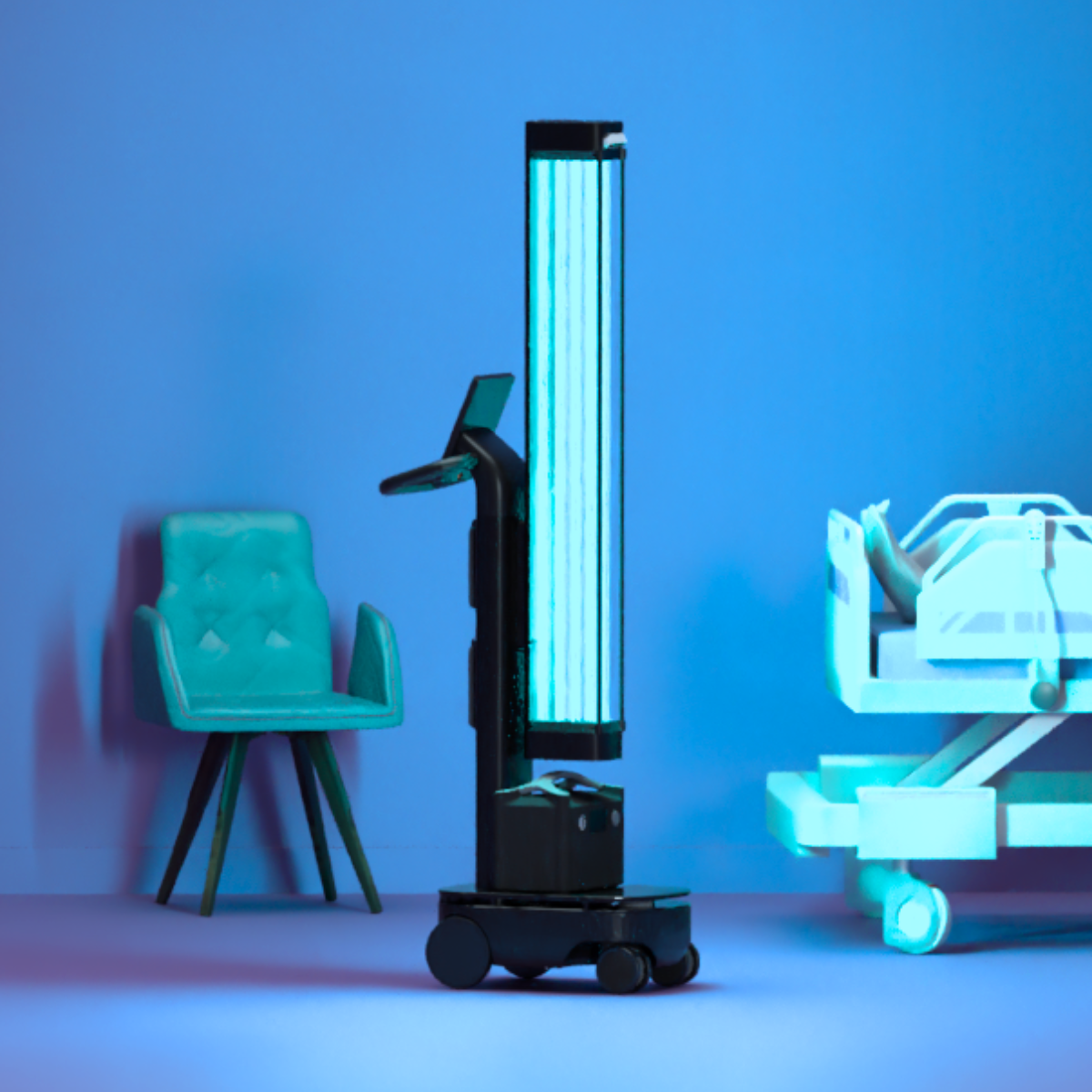
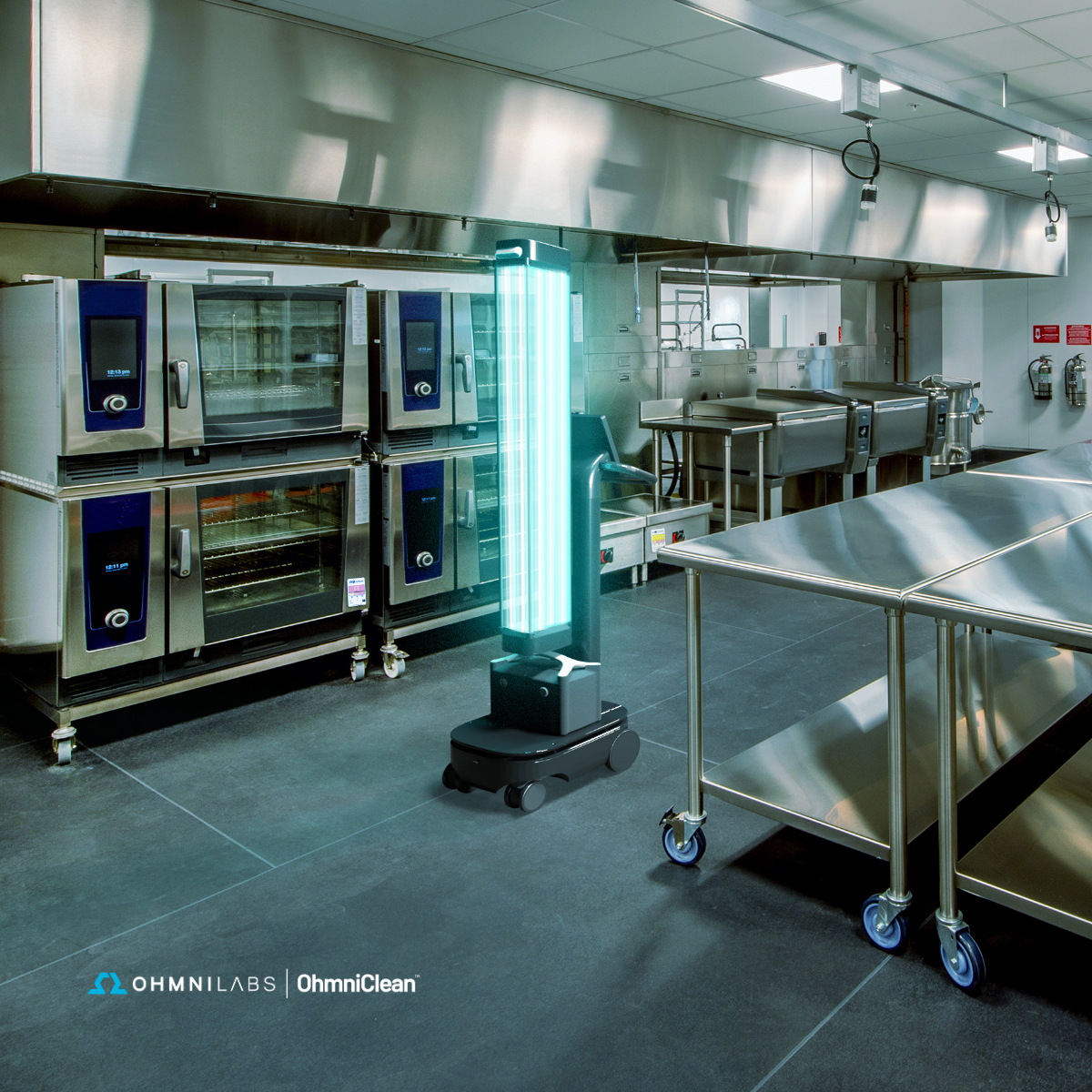
The COVID-19 pandemic highlighted the importance of proper disinfection to manage and contain the spread of the disease. During the pandemic, ultraviolet (UV) disinfection technology played an important role in safeguarding public health and combatting COVID-19. Various uses of UV technology have become available on the market and can be…

Using sterile items in surgery is a fundamental practice, not a rudimentary one that can or should be taken for granted. Put simply, using unsterile items can result in a patient infection. If sterile storage conditions are not appropriate, the items can become contaminated. Such contamination may go undetected, rendering…


